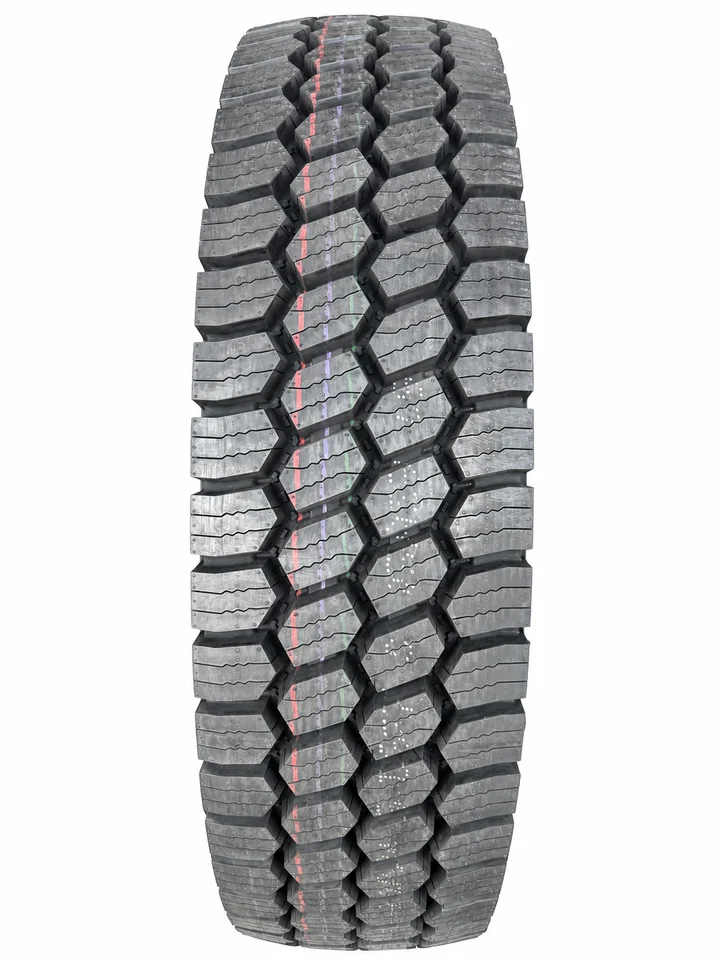
Replace or professionally inspect a tire when tread reaches the applicable limit, wear bars are flush, cords are exposed, or the tire has a bulge, deep cut, cracking, repeated air loss or impact damage. Age and service history also matter even when tread remains.
01 · TIRE SAFETY
Tread is only one part of the decision
Ontario’s Driver’s Handbook says passenger tires should be replaced below 1.5 mm of tread or when the tread-wear indicators touch the road. It also identifies a 3 mm front-tire threshold for vehicles over 4,500 kg. These are minimum conditions, not performance targets for rain or snow.
Measure several points across every tire. Uneven readings can reveal alignment, inflation or suspension problems that should be corrected before a new tire develops the same wear.
02 · TIRE SAFETY
Damage that needs immediate attention
A sidewall bulge can indicate damaged internal structure. Exposed cord, separation, a deep cut, repeated pressure loss or a tire that suffered a hard impact also needs prompt professional assessment.
Do not drive on a visibly damaged or flat tire to reach a shop. Stop in a safe location and request roadside or mobile assistance.
- Bulges, knots or bubbles
- Exposed cords or separation
- Deep tread or sidewall cuts
- Repeated pressure loss
- Vibration after an impact
- Tread worn to the indicators
03 · TIRE SAFETY
Age and use still matter
Rubber and internal components change with time, heat, storage and service. Ontario advises that tires should not be older than 10 years. A tire can require earlier replacement because of its condition or a manufacturer recommendation.
Use the DOT date code as one part of the inspection, then consider cracking, repairs, load history, pressure maintenance and how the vehicle is used.
KEEP THIS HANDY
Quick checklist
- Measure tread across the full width
- Inspect both sidewalls
- Look for exposed cords or separation
- Check the manufacturing date
- Investigate vibration or repeated air loss
- Have uneven wear diagnosed before replacement
Sources and further reading
Specifications and regulations can change. Follow the current vehicle, tire-manufacturer and government guidance for your situation.