
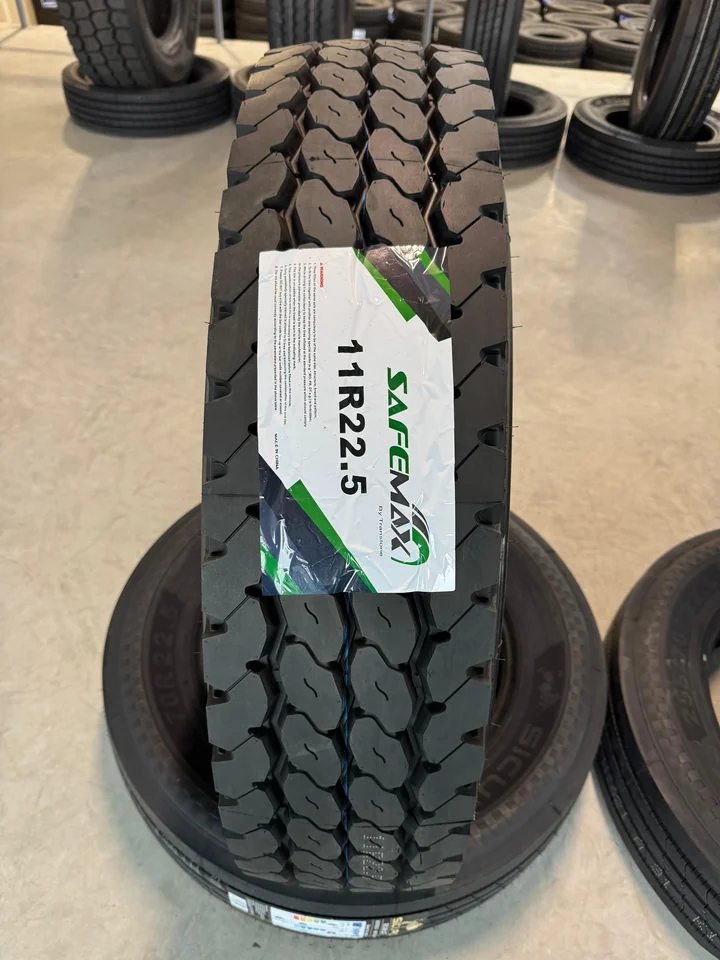
Ontario's MTO Truck Handbook says wheel manufacturers recommend rechecking wheel fasteners between 80 and 160 km after installation. The same precaution applies when a wheel has been removed for other repairs. The check should follow the wheel, hub and vehicle manufacturer's procedure and torque specification.
01 · COMMERCIAL WHEEL SAFETY
When the 80-160 km recheck applies
The recheck is important after a new tire or wheel installation and whenever a wheel has been removed and reinstalled during brake, hub or other service. Arrange it before the vehicle leaves on a route that will exceed the recommended distance.
For a fleet, record the installation odometer, the recheck window, the person completing the work and the result. A clear handoff prevents the task from being missed between a shop, dispatcher and driver.
02 · COMMERCIAL WHEEL SAFETY
Why fastener clamping force can change
A wheel installation depends on clean, compatible components and correct clamping force. Paint, corrosion, dirt, damaged threads, incorrect lubrication, worn hardware or improper seating can interfere with the assembly.
The follow-up check is a safeguard, not a substitute for correct installation. Wheels and tires on commercial vehicles should be installed by a certified tire installer or mechanic using the component manufacturer's procedure.
03 · COMMERCIAL WHEEL SAFETY
A retorque is a specified service procedure
The correct torque value and tightening sequence depend on the wheel and hub system. Do not copy a generic internet number or tighten fasteners by feel. Over-tightening can damage components, while under-tightening may leave inadequate clamping force.
A qualified technician should inspect the assembly and use calibrated equipment according to the current manufacturer specification. If a fastener moves significantly or defects are found, the assembly may need further inspection rather than repeated tightening.
04 · COMMERCIAL WHEEL SAFETY
What the driver should inspect every day
Ontario's daily inspection guidance treats a loose, missing or ineffective wheel fastener as a major defect. Look for missing nuts, gaps between a nut and wheel, cracks, elongated holes, rust trails, shiny movement marks, damaged rims and signs of hub or bearing trouble.
Stop operating the vehicle and follow the required defect procedure if a major defect is discovered. A visual check does not replace the scheduled 80-160 km fastener recheck.
KEEP THIS HANDY
Quick checklist
- Record the odometer when a wheel is installed
- Schedule the recheck for 80-160 km
- Use the manufacturer's torque and sequence
- Use calibrated tools and a qualified technician
- Inspect for missing fasteners, gaps and movement marks
- Document completion in the fleet maintenance record
- Treat loose or ineffective fasteners as a major defect
Sources and further reading
Specifications and regulations can change. Follow the current vehicle, tire-manufacturer and government guidance for your situation.