
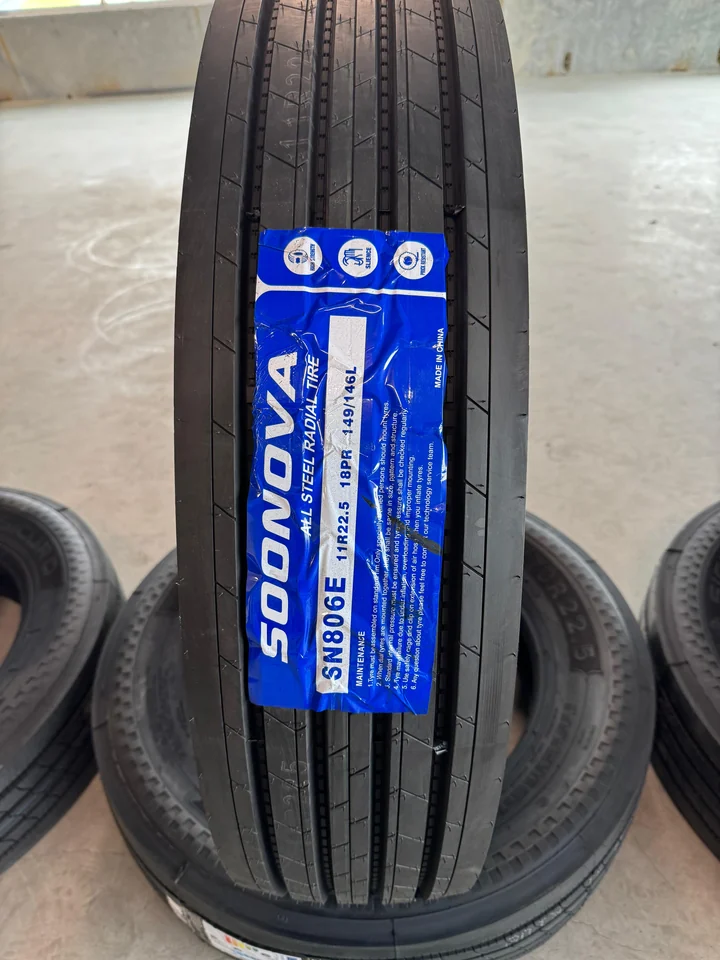
Correct inflation supports load capacity, casing life, fuel efficiency and uptime. Natural Resources Canada says every 10 psi of commercial-truck underinflation can reduce tread wear by 15% and increase fuel consumption by up to 4%. Smart monitoring can flag pressure and temperature changes between manual inspections, but it does not replace load-based pressure specifications or physical tire checks.
01 · FLEET TIRE TECHNOLOGY
Why underinflation costs more than air
Underinflation increases tire deflection and rolling resistance, creates heat and can accelerate irregular wear or casing damage. Natural Resources Canada's fleet guidance says every 10 psi below the correct setting can cost 15% of tread wear and up to 4% more fuel.
Those percentages are general guidance, not a guaranteed saving for every vehicle. Route, payload, speed, weather, tire design and the starting pressure all affect the result. The operational lesson is consistent: small pressure errors repeated across many wheel positions can become a significant fleet cost.
02 · FLEET TIRE TECHNOLOGY
Manual gauges, TPMS and automatic inflation do different jobs
A calibrated hand gauge provides a direct cold-pressure reading during inspection. A tire-pressure monitoring system can alert a driver or fleet platform when pressure or temperature moves outside configured limits. An automatic tire inflation system can add air to supported wheel positions to maintain a target setting.
Monitoring systems improve visibility, especially for trailers that may sit or rotate through a fleet. They still require sensor maintenance, alarm response procedures and physical inspections for cuts, penetrations, tread wear, valve damage and wheel defects.
03 · FLEET TIRE TECHNOLOGY
The target pressure must match the load
A smart system is only as useful as its target. Commercial pressure should be based on the actual maximum axle load, tire size, single or dual configuration and the tire manufacturer's current load-and-inflation table, while respecting wheel and vehicle limits.
The maximum pressure molded on a sidewall is not automatically the correct operating target for every truck. Do not lower pressure casually for ride comfort or copy another fleet's setting without validating the load and equipment.
04 · FLEET TIRE TECHNOLOGY
Cold Ottawa weather requires a pressure plan
Pressure readings fall as ambient temperature drops. Establish targets and alarm thresholds using cold pressure, then train drivers not to bleed air from a warm tire simply because the reading has risen during operation.
Seasonal change is a useful time to audit gauges, valve caps, TPMS batteries, alert routing and trailer coverage. A repeated loss in one tire should trigger a leak inspection rather than routine topping-up.
05 · FLEET TIRE TECHNOLOGY
Build a fleet process around the technology
Start with a written pressure specification for every vehicle group. Define who checks cold pressure, who receives alerts, which conditions require the vehicle to stop, and how repairs are documented. Track pressure-related calls, irregular removals and casing rejection to measure whether the program is working.
For a small fleet, disciplined manual checks may provide a strong starting point. Larger or frequently dispatched fleets may gain more from connected TPMS or automatic inflation, particularly on trailers and high-utilization equipment.
KEEP THIS HANDY
Quick checklist
- Set pressure from load-and-inflation data
- Use a calibrated gauge
- Check and record cold pressure
- Configure meaningful TPMS alert thresholds
- Inspect any tire with repeated pressure loss
- Maintain sensors, valves and automatic inflation hardware
- Track fuel, wear and roadside-event results
Sources and further reading
Specifications and regulations can change. Follow the current vehicle, tire-manufacturer and government guidance for your situation.