
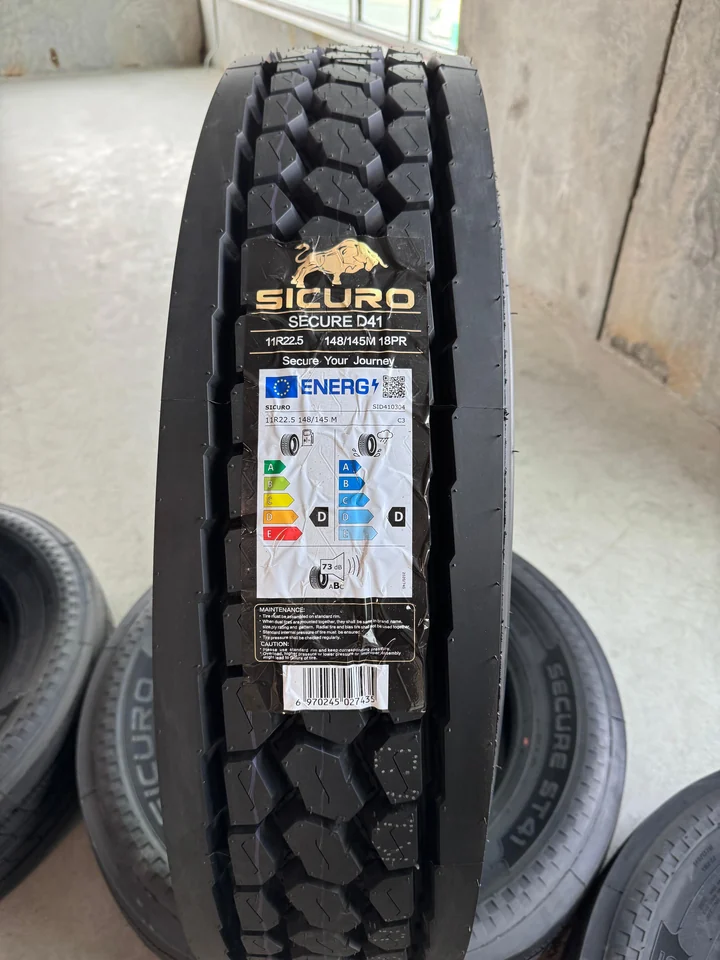
Before calling, collect your exact location, callback number, vehicle or unit details, tire size, axle position and a clear description of the problem. Make sure the vehicle is in a safe, accessible work area and tell the technician about site restrictions before dispatch.
01 · MOBILE SERVICE
Start with exact information
A precise address or map pin reduces dispatch delays. For roadside assistance, identify the road, direction of travel, nearest exit or intersection and a safe callback number.
For commercial equipment, include the company name, truck or trailer unit number and axle position. Read the full tire size from the sidewall and send photos when it is safe to do so.
- Exact location or map pin
- Vehicle year, make and model
- Truck or trailer unit number
- Full tire size
- Steer, drive or trailer position
- Description and photos of the problem
02 · MOBILE SERVICE
Make the work area safe and accessible
Move the vehicle to a level location away from moving traffic whenever it can be done safely. A mobile technician needs enough space to position a service vehicle and work around the affected wheel.
Tell us about underground garages, gates, loading schedules, security check-in, poor lighting, soft ground or restricted access before the appointment. For roadside incidents, remain away from active traffic and follow emergency directions.
03 · MOBILE SERVICE
Scheduled service and emergencies are different
Scheduled appointments are available daily from 7 a.m. to 7 p.m. and are suited to planned installation, seasonal changes and suitable on-site work. A booking request is confirmed only after the service details and location are reviewed.
For urgent or same-day tire trouble, call directly. Explain whether the vehicle is safely parked, whether the tire holds air and whether a replacement tire may be required. Availability and response time depend on location, conditions and the required equipment.
KEEP THIS HANDY
Quick checklist
- Send the exact location
- Provide the complete tire size
- Identify the affected wheel or axle
- Describe damage and air loss
- Confirm safe working space
- Mention gates, height limits and site rules
- Call for urgent roadside help
Sources and further reading
Specifications and regulations can change. Follow the current vehicle, tire-manufacturer and government guidance for your situation.