
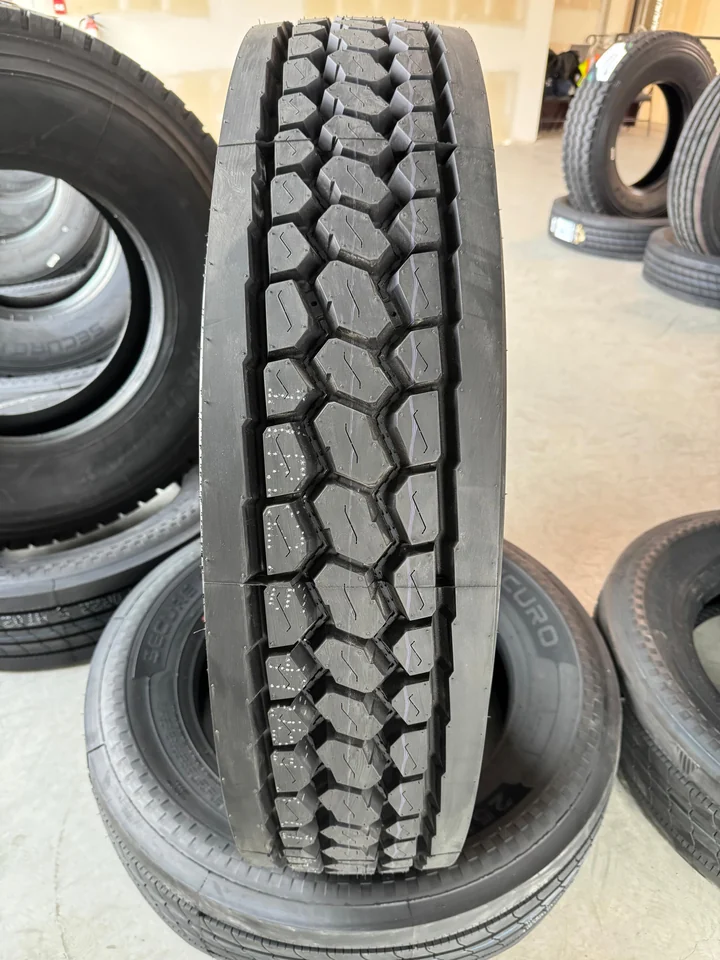
If a tire loses air or blows out, slow down smoothly, steer firmly and stop as far away from moving traffic as safely possible. Turn on the hazard lights. If you are in a travelled lane, exposed to highway traffic or facing an immediate danger, call 911. Once safe, call mobile tire service with your exact location, vehicle details, tire size and a description of the damage.
01 · OTTAWA ROADSIDE GUIDE
First, get yourself and the vehicle to safety
The Ontario Driver’s Handbook advises drivers who experience a blowout to take their foot off the accelerator, steer firmly and bring the vehicle to a stop off the road. At the first sign of trouble on a freeway, use the hazard lights and move toward the nearest safe shoulder without stopping in a live lane.
On a high-speed road, remaining inside the vehicle with the doors locked is generally safer while waiting for help. Do not stand in front of or behind the vehicle. If the vehicle cannot leave a travelled lane, someone is injured, or there is an immediate danger, call 911.
- Reduce speed smoothly
- Move away from active traffic when safe
- Turn on four-way hazard lights
- Stay inside on a high-speed road
- Call 911 for an immediate traffic or medical emergency
02 · OTTAWA ROADSIDE GUIDE
Do not keep driving on a flat tire
Continuing to drive can damage the tire’s internal structure and the wheel, even when the tire still looks repairable from the outside. Pull over as soon as it is safe rather than trying to reach the next exit on a fully deflated tire.
A tire with a visible bulge, exposed cord, separated tread, major sidewall cut or impact damage should not be driven on. Commercial operators should also treat an audible or easily felt air leak as a serious defect and follow their company and regulatory procedures.
03 · OTTAWA ROADSIDE GUIDE
Can the tire be repaired?
Repairability cannot be confirmed from a phone description alone. A technician must remove or inspect the tire as required and evaluate the injury location, size, angle, internal condition, remaining tread and any evidence that it was driven while underinflated.
Damage in the sidewall or shoulder, exposed cords, separation and run-flat damage commonly rule out a standard tread repair. If replacement is needed, the new tire must meet the vehicle’s size, load, speed and application requirements.
04 · OTTAWA ROADSIDE GUIDE
What to provide when you call
Good information helps the service provider bring appropriate equipment and determine whether a replacement tire may be required. Share a map pin or exact address, the nearest intersection or exit, your direction of travel and a reliable callback number.
For a passenger vehicle, provide the year, make and model plus the tire size. For a truck or trailer, include the unit number, complete tire size and axle position—steer, drive or trailer. Send clear photos only when you can take them without entering or approaching active traffic.
- Exact location or map pin
- Direction of travel and nearest exit
- Callback number
- Vehicle or unit information
- Complete tire size
- Affected wheel or axle position
- Safe photos of the damage, if available
05 · OTTAWA ROADSIDE GUIDE
Mobile tire help for Ottawa vehicles and fleets
Uncle Tires handles passenger and commercial tire requests in Ottawa and Gatineau, including suitable roadside locations, homes, workplaces, fleet yards and job sites. The available response depends on the location, working conditions, vehicle, tire size and required service.
Customers commonly contact us from Ottawa, Kanata, Nepean, Barrhaven, Orléans, Gloucester, Stittsville, Manotick and Gatineau. These place names help describe the broader service area; call with the exact location so coverage and availability can be confirmed before dispatch.
06 · OTTAWA ROADSIDE GUIDE
Emergency call or scheduled appointment?
Call directly for a current flat tire, roadside incident or same-day commercial problem. The phone conversation allows Uncle Tires to assess location safety, tire requirements and current availability.
Use scheduled booking for planned tire installation, seasonal service or suitable on-site work between 7 a.m. and 7 p.m. Emergency calls are accepted 24/7, but availability, arrival time and the service that can be completed are confirmed for each request.
KEEP THIS HANDY
Quick checklist
- Move away from traffic when it is safe
- Activate the hazard lights
- Do not drive on a fully deflated tire
- Call 911 if the vehicle remains in a travelled lane
- Share an exact location or map pin
- Provide the full tire size and vehicle details
- Identify steer, drive or trailer position for commercial tires
- Call Uncle Tires to confirm coverage and availability
Sources and further reading
Specifications and regulations can change. Follow the current vehicle, tire-manufacturer and government guidance for your situation.